
Feeding aquarium fish isn’t just about keeping them full — it’s about supporting their health, behavior, and longevity.
As fish owners seek more natural and species-appropriate diets, understanding what fish eat in the wild becomes essential.
In this guide, we explore natural feeding habits and how to meet each species’ specific dietary needs within your aquarium setup.
#BettaCare, #GuppyLife, #GoldfishCare, #PlecoLove
What Do Fish Eat in Nature?
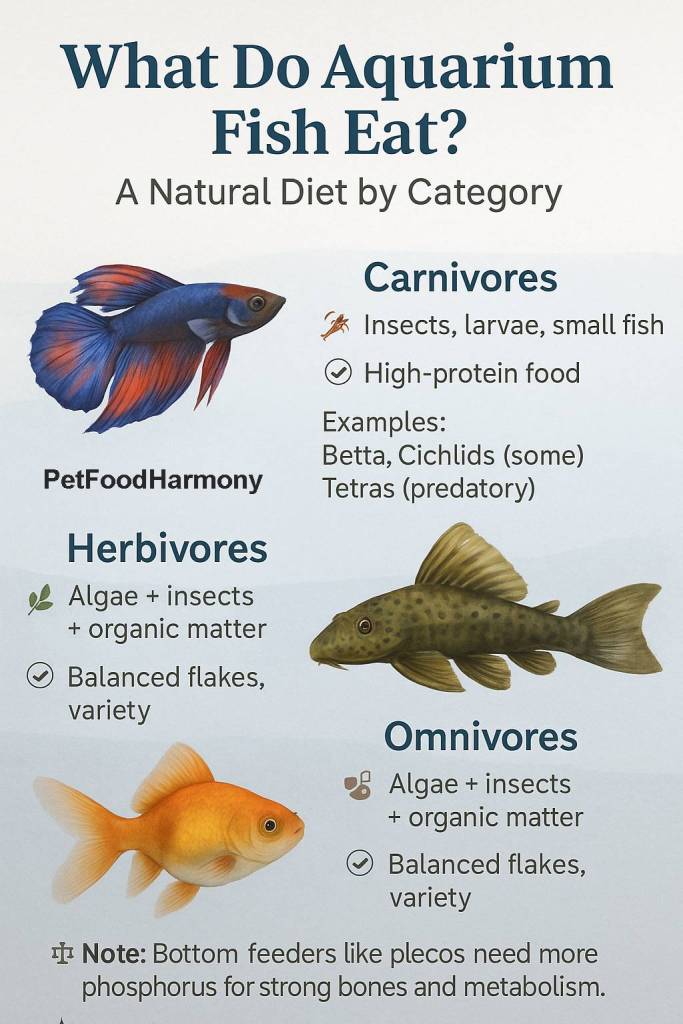
In the wild, fish eat according to their habitat, digestive systems, and ecological roles. Most aquarium species fall into three general feeding categories:
- Carnivorous Fish
These fish primarily consume animal-based protein, including smaller fish, insect larvae, and crustaceans.
Examples: Betta splendens, some cichlids, predatory tetras
Needs: High-quality protein, low fiber content
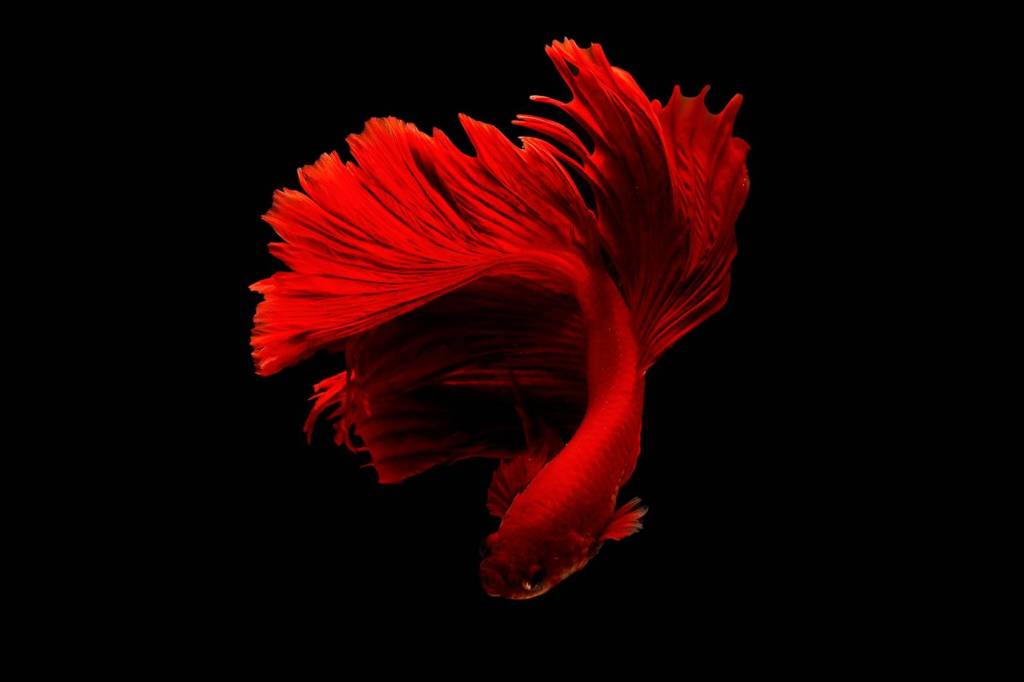
- Herbivorous Fish
They feed on plant-based matter, such as algae, biofilm, and aquatic vegetation. Their digestive tracts are typically longer to help process fiber.
Examples: Plecostomus, Otocinclus, Siamese algae eaters
Needs: Algae, spirulina, plant fiber, minimal animal protein
- Omnivorous Fish
These are the most common in home aquariums. They eat a combination of plant and animal matter — insects, algae, microorganisms.
Examples: Guppies, Mollies, Platys, Goldfish
Needs: Balanced variety of plant and animal ingredients
A Note on Fat Content
Unlike mammals, most fish do not require high fat intake. While a small amount of fat provides energy, excess fat — especially in omnivorous and herbivorous species — may negatively affect organ health and digestion. Balanced, low-fat formulas are typically more appropriate.
Nutritional Needs by Popular Aquarium Fish
Choosing the right food means understanding each species’ natural diet and replicating it as closely as possible in the tank.
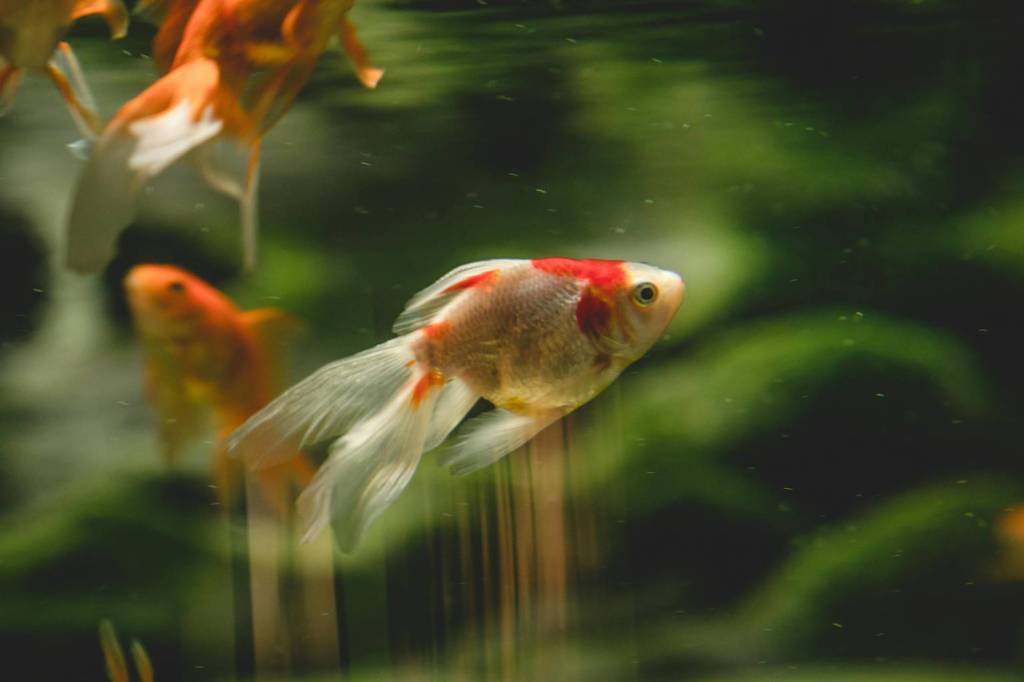
Goldfish
Category: Omnivore
In the wild: Microorganisms, algae, decaying organic matter
Recommended diet:
Low-protein, slow-sinking pellets
Caution: prone to overeating — avoid overfeeding
Betta splendens (Siamese Fighting Fish)
Category: Carnivore
In the wild: Insect larvae, tiny crustaceans
Recommended diet:
Freeze-dried or frozen animal-based foods
High-protein pellets
Little to no plant material
Guppies
Category: Omnivore
In the wild: Algae, tiny insects, organic debris
Recommended diet:
- High-quality flakes or micro pellets
- Spirulina-rich supplements
- Frequent, controlled feeding
Plecostomus (and other bottom feeders)
Category: Herbivore
In the wild: Algae, driftwood, plant matter from substrate
Recommended diet:
Algae-rich sinking tablets
Note: Bottom feeders have higher phosphorus requirements, essential for skeletal development and healthy metabolism. Foods enriched with minerals or natural sources like spirulina are ideal.
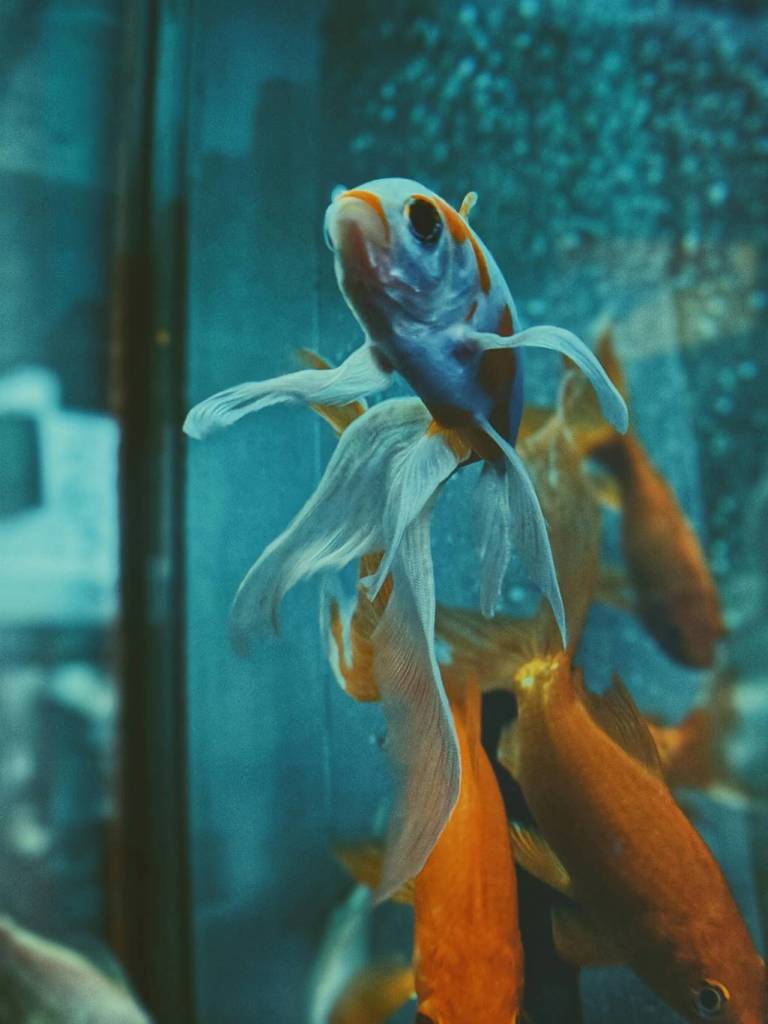
Cichlids
Category: Varies (omnivorous, herbivorous, or carnivorous depending on species)
In the wild: Algae, insects, small fish, detritus
Recommended diet:
- Species-specific cichlid formulas (e.g., African or American)
- Color-enhancing ingredients like astaxanthin
- Diet variety supports social behavior and health
Balance Is Key
Feeding naturally doesn’t mean making things complicated — it means making informed, respectful choices. By aligning each species’ diet with its evolutionary background, we promote stronger immunity, more vibrant colors, and livelier aquariums.
Understanding what fish really eat is the first step to providing a better life for them — in the tank and beyond.


Θα χαρώ να διαβάσω τα σχόλιά σας