
A well-balanced adult cat diet is the foundation of long-term health, vitality, and happiness. From the quality of protein to the right nutrient balance, every food choice directly affects your cat’s daily life.
At Petfood Harmony, we combine scientific knowledge with a deep love for animals to guide cat parents in choosing the best nutrition for every life stage.
Nutritional Needs of an Adult Cat
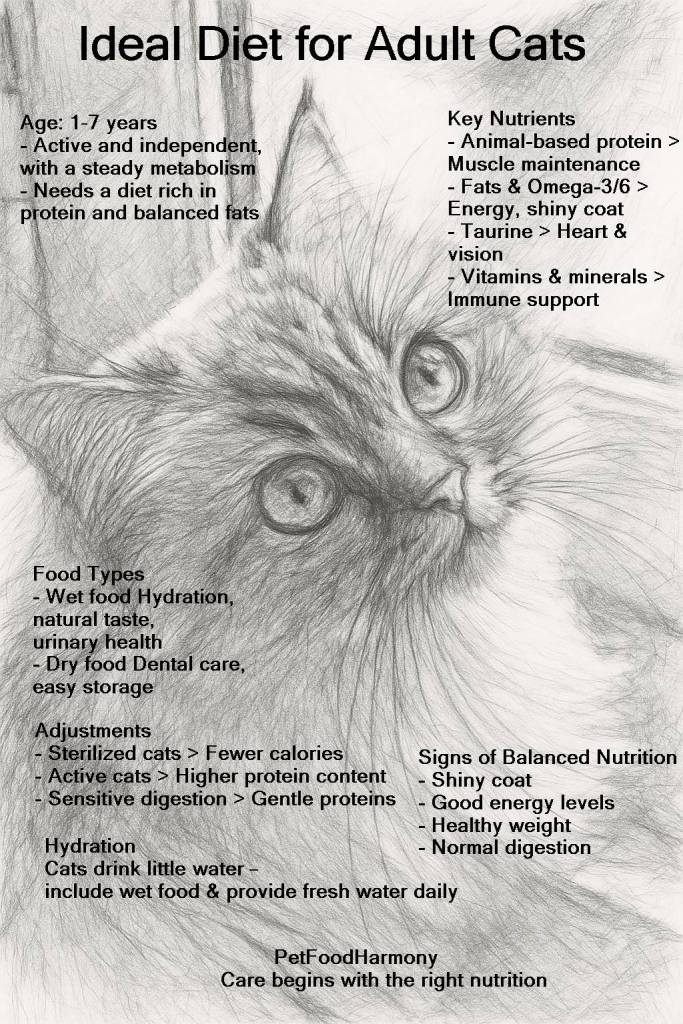
Adult cats (1–7 years old) require high-quality animal protein, sufficient fatty acids, and a balanced mix of vitamins and minerals.
Key nutritional needs:
- Animal-based protein (chicken, fish, turkey) – supports muscle maintenance and energy.
- Fats – provide energy and help maintain a shiny, healthy coat.
- Taurine – an essential amino acid for heart, vision, and nervous system health.
- Micronutrients & vitamins – support immune function and metabolism.
Research shows that cats fed diets containing at least 35% protein and balanced fat levels maintain better muscle tone and metabolic health.
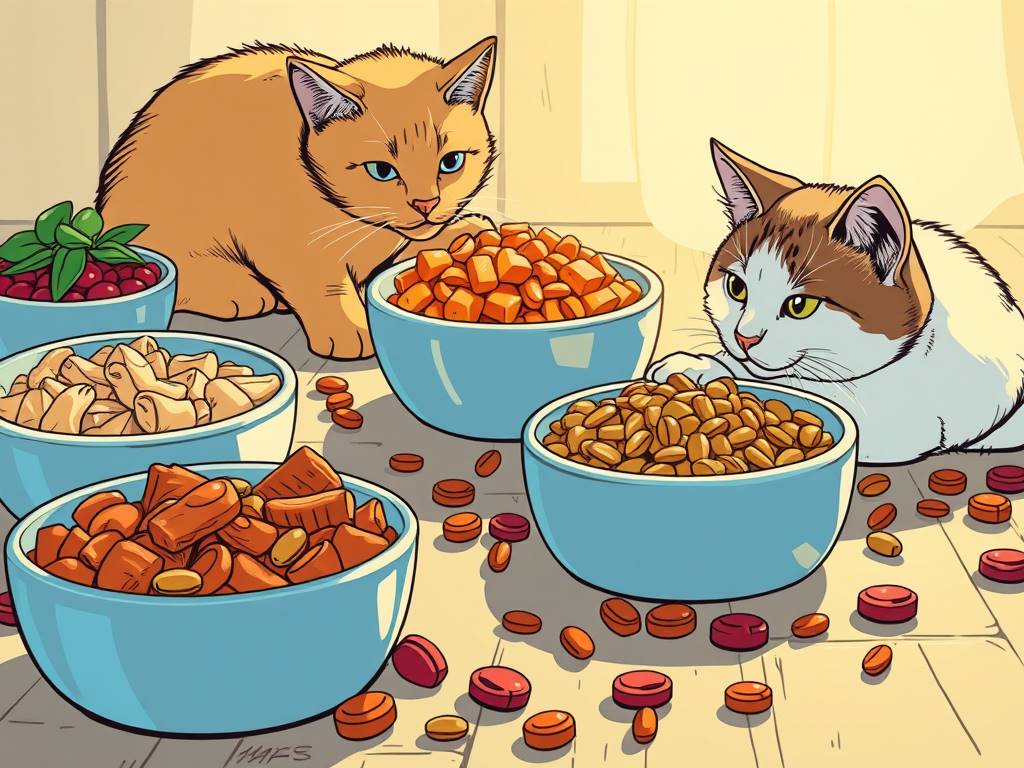
Wet or Dry Cat Food: Which Is Best for Adult Cats?
Wet Cat Food
Wet food more closely mimics the natural diet of felines. With 70–80% moisture content, it promotes hydration and helps prevent urinary issues.
Choose options that:
- List animal protein (e.g., chicken, tuna, turkey) as the first ingredient.
- Are grain-free and free from artificial additives or sugars.
- Include Omega-3 and Omega-6 fatty acids for coat and skin health.
Dry Cat Food
Dry food is convenient, shelf-stable, and helps maintain oral health through chewing.
Look for dry cat food that:
- Contains ≥35% protein and low carbohydrates.
- Is grain-free or uses gentle grains like rice.
- Includes antioxidants for immune support.
The Ideal Combination
The most balanced approach for adult cats is a 70% wet food + 30% dry food combination, offering the best of both worlds:
- Hydration and palatability from wet food.
- Nutrient density and dental care from dry food.
Adjusting to Your Cat’s Needs
Sterilized cats: Choose lower-calorie food formulas with added fiber for satiety.
Active or outdoor cats: Benefit from higher protein and fat levels.
Sensitive digestion: Opt for easily digestible proteins like fish or turkey.
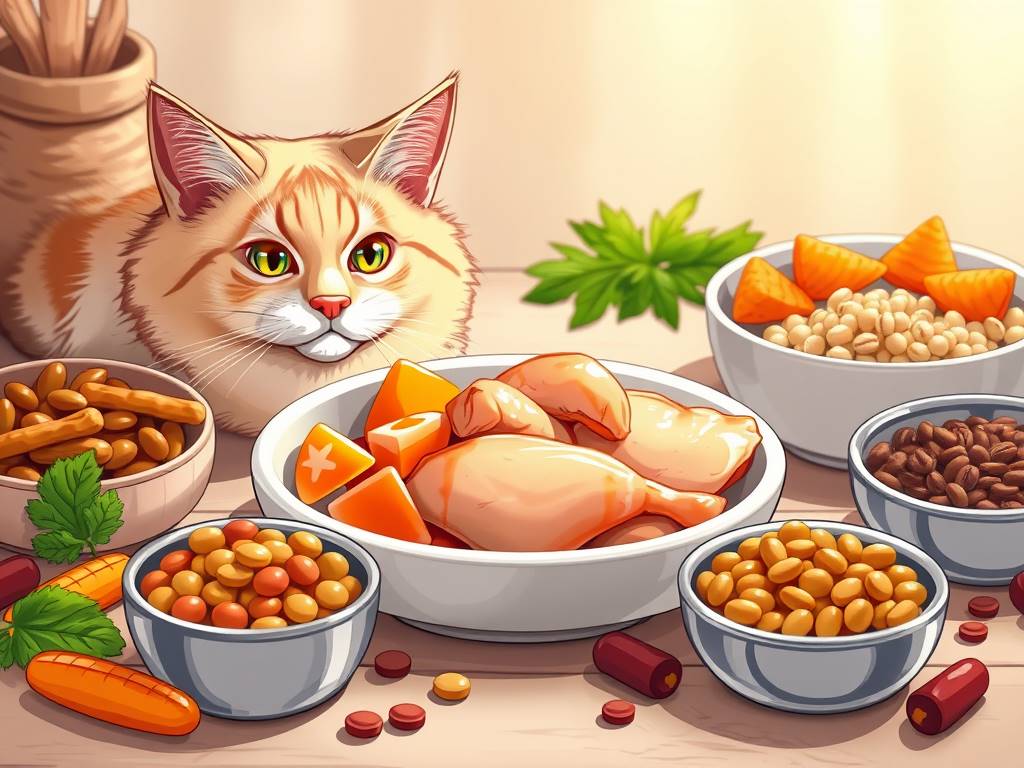
The Importance of Hydration
Cats naturally tend to drink less water than they need. Including wet food in their daily diet and offering fresh, running water (such as through a pet fountain) helps support kidney and urinary tract health — especially important for sterilized cats.
A balanced adult cat diet is not just about feeding — it’s an act of care.
By choosing high-protein, low-carb, grain-free cat foods without unnecessary additives, you’re giving your cat the gift of longevity, health, and happiness.
Νutrition is a harmony between love and science — because every cat deserves the most balanced care.
Frequently Asked Questions (FAQ)
- How many times a day should an adult cat eat?
Most adult cats thrive on two meals a day — morning and evening. Some more active cats may prefer smaller, more frequent meals throughout the day.
- Which is better — wet or dry cat food?
Both have their benefits. Wet food provides hydration and natural texture, while dry food helps maintain oral health. A combination of both is often the healthiest choice.
- What should I look for on cat food labels?
Ensure the first ingredient is animal protein, and that the food does not contain sugars, soy, or unnecessary grains.
- How can I tell if my cat’s diet is balanced?
A shiny coat, steady weight, good energy levels, and regular digestion are all signs of a healthy diet. If you notice changes, consult your veterinarian.
- Should I change my cat’s food regularly?
Avoid sudden changes. When transitioning to new food, do so gradually over 7–10 days to prevent digestive upset.


Θα χαρώ να διαβάσω τα σχόλιά σας