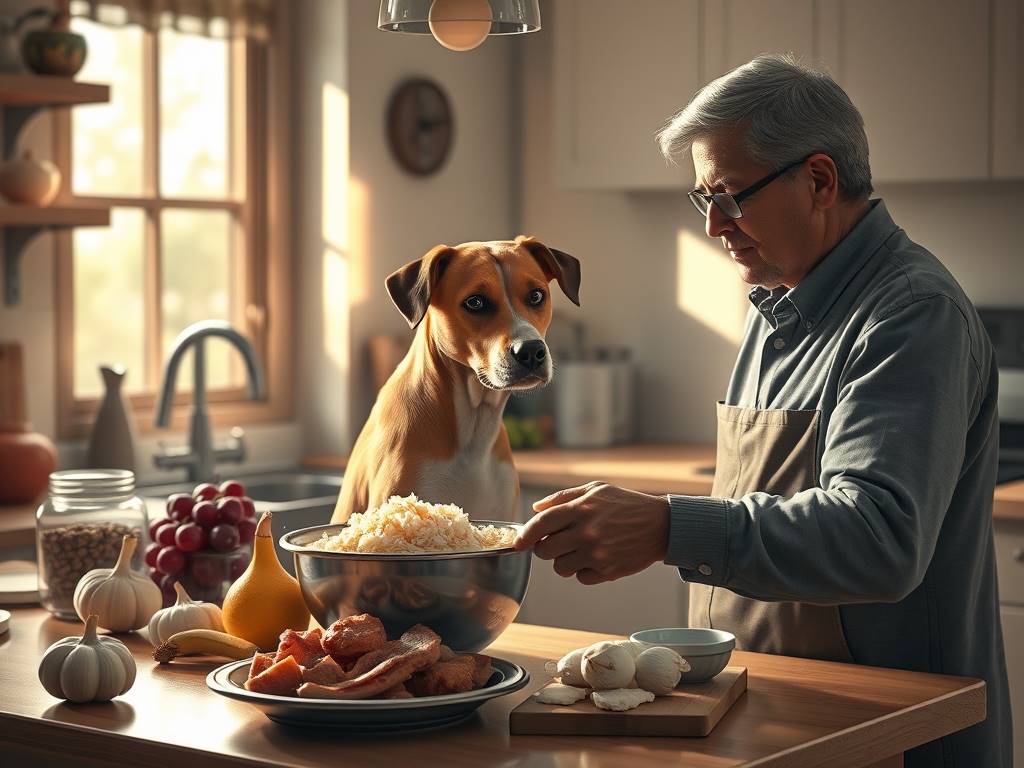
The truth about how it affects their health, teeth, and breath
Many dog parents choose home-cooked meals believing they are more “natural,” “pure,” or “healthy.”
And the idea is undeniably sweet — cooking for the animal you love.
But the reality is far more complex.
A dog’s nutritional needs are extremely specific and very different from ours. Without specialized knowledge, homemade meals often lead to nutritional imbalances — affecting bones, fur, energy levels, and even… their breath.
Let’s look at what really happens.
Common Health Consequences of Home-Cooked Meals
- Calcium Deficiency – Bone Problems
Most homemade recipes contain plenty of meat but almost no calcium.
This can lead to:
- weak bones
- dental problems
- muscle cramps
- osteopenia
- in severe cases, skeletal deformities
Calcium deficiency doesn’t appear within days — it builds up silently over time.
- Deficiency in Essential Vitamins & Minerals
Even high-quality ingredients aren’t enough without proper balancing.
Common deficiencies include:
- Vitamin D
- Vitamin E
- Zinc
- Iron
- Magnesium
- Copper
These deficiencies can result in:
- hair loss
- dull or dry coat
- fatigue
- weakened immune system
- reduced muscle mass
- Wrong Ratios – Obesity or Undernourishment
Many dog parents prepare bowls full of rice, potatoes, or lean meats.
This often leads to:
- weight gain
- pancreatic sensitivities
- low energy
- muscle loss
- overall nutritional imbalance
The right ratio of protein, fat, and carbohydrates is very difficult to achieve by eye.
- The Risk of Unsafe Human Foods
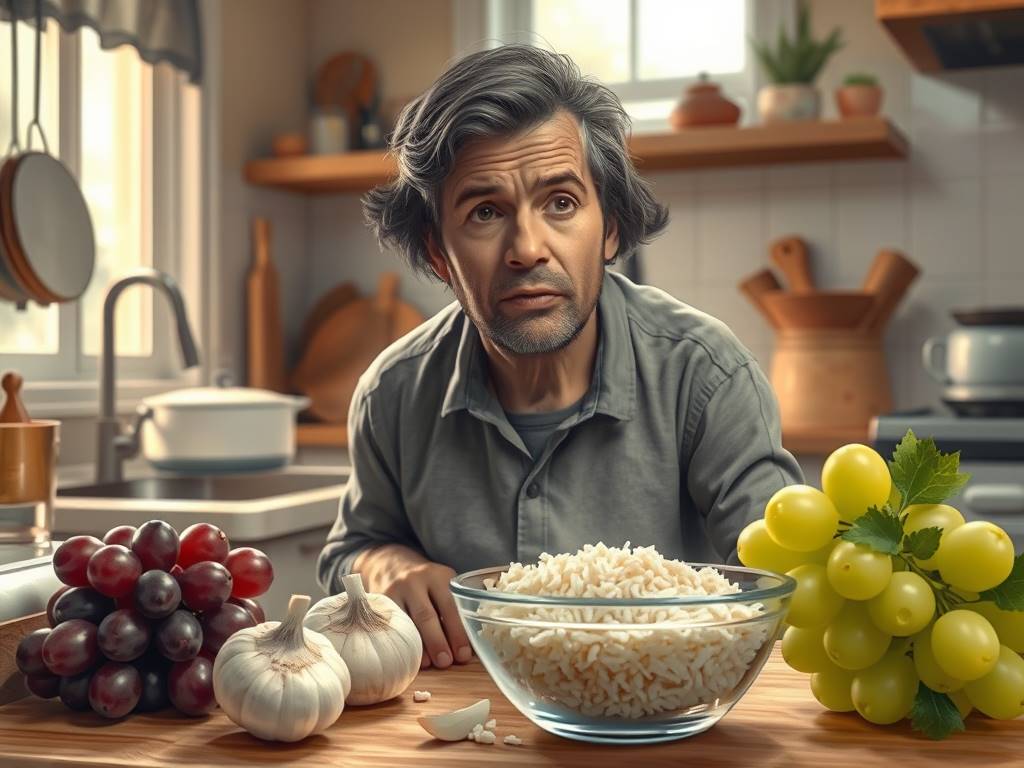
Often, without realizing it, people use ingredients that are completely unsafe for dogs:
- onion & garlic
- grapes & raisins
- too much salt
- seasonings
- fried or very fatty foods
Even small amounts can cause anything from stomach upset to serious toxicity.
- Hidden Consequences That Show Up Months Later
The tricky part with home-cooked diets is that the problems don’t appear immediately.
Over time, dogs may develop:
- chronic inflammation
- weakened immunity
- hormonal imbalances
- delayed growth in puppies
- reduced muscle strength
These issues are rarely linked to diet at first — but almost always begin there.
How Home-Cooked Food Affects a Dog’s Teeth
Many don’t realize that homemade food can harm oral health.
Why?
Because it’s soft, it sticks to the teeth, and it does not provide mechanical cleaning, unlike dry food or dental chews.
Possible consequences:
- tartar build-up
- gingivitis
- bad breath
- pain while chewing
- gum inflammation
- increased risk of periodontal disease
Oral health affects the entire body, including heart and kidney health — so nutrition matters enormously.
And what about bad breath?
Home-cooked food, especially when not balanced, can cause:
- fermentation of food residue
- increased oral bacteria
- poor digestion that affects breath odor
- metabolic smells due to nutritional deficiencies
Bad breath isn’t just “unpleasant.”
It’s a sign that something deeper is happening with the dog’s oral or overall health.
Home-cooked food is not suitable or safe unless designed by a professional with expertise in dog nutrition.
Well-intentioned efforts often lead to significant deficiencies affecting:
- bones
- teeth
- coat
- energy
- immunity
- overall quality of life
Proper nutrition is one of the deepest forms of care — and our dogs rely entirely on us to get it right.

FAQ – Frequently Asked Questions About Home-Cooked Dog Food
- Is home-cooked food safe for my dog?
It can be, but only if formulated by a pet nutrition professional. Most homemade meals made “by instinct” cause nutritional deficiencies.
- What health issues can an unbalanced homemade diet cause?
Calcium deficiency, bone problems, hair loss, low energy, digestive issues, dental problems, and bad breath.
- Why does home-cooked food affect a dog’s teeth?
Because it’s soft and sticky, it tends to stay on the teeth and does not provide the mechanical cleaning that dry food or dental treats offer.
- Can home-cooked food cause bad breath?
Yes. Food residue, increased oral bacteria, poor digestion, and nutritional deficiencies can all worsen breath odor.
- Can I cook for my dog on my own?
Only with professional guidance. Without it, it’s extremely easy to create serious nutrient deficiencies.
- Which foods are dangerous for dogs?
Onion, garlic, grapes, raisins, excessive salt, seasonings, fried foods, and very fatty ingredients.
- Why doesn’t home-cooked food meet my dog’s needs?
Dogs require very specific nutrient ratios that are not easily achieved with simple home cooking.
- Do problems from home-cooked food show up immediately?
Usually not. Most issues develop gradually and become noticeable after months.


Θα χαρώ να διαβάσω τα σχόλιά σας