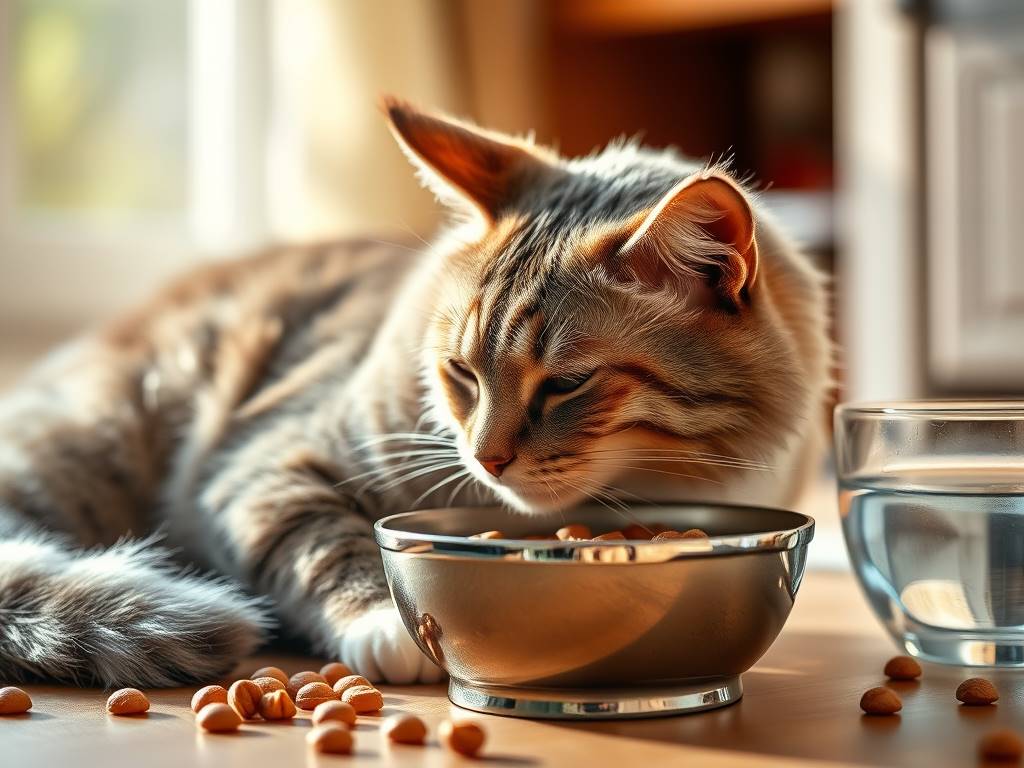
As cats grow older, their nutritional needs change. Choosing the right food plays a vital role in maintaining their health, energy levels, and overall quality of life.
Senior cats require a carefully balanced diet that supports a slower metabolism and the specific needs of an aging body.
Fewer Calories, Higher Quality
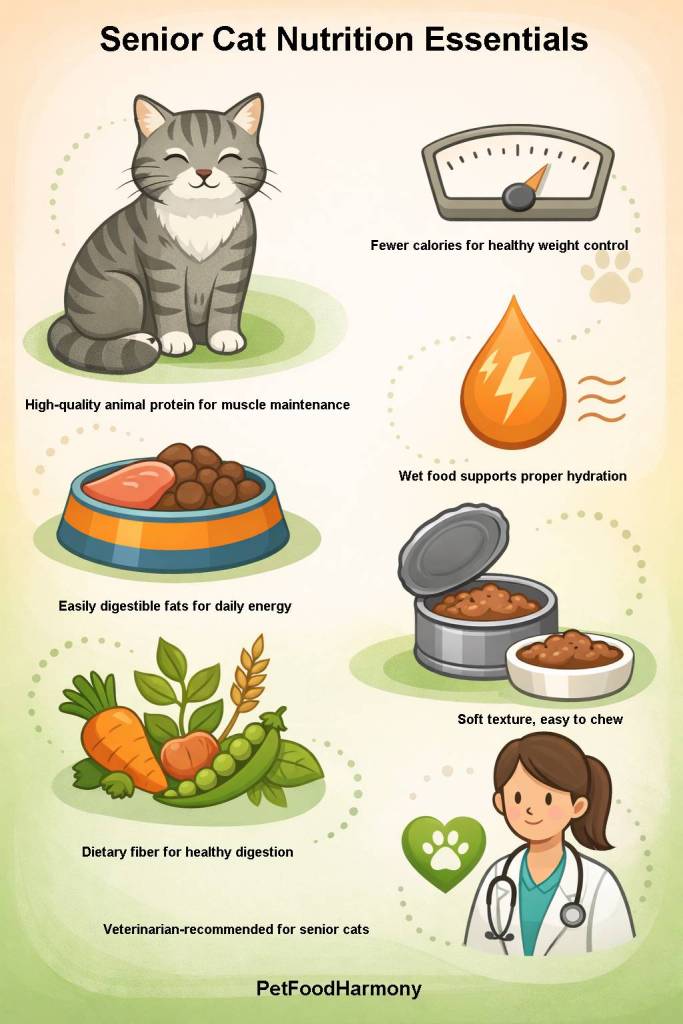
With age, activity levels decrease and metabolism slows down. This means senior cats need fewer calories to avoid unwanted weight gain, which can strain joints and vital organs. However, fewer calories should never mean reduced nutritional value.
Protein: The Foundation of Health
High-quality protein remains essential at every stage of a cat’s life—and becomes even more important in senior years.
Protein helps maintain muscle mass and supports overall physical well-being.
Ideally, it should come from animal sources with high biological value and be easy to digest.
Easily Digestible Fats for Energy
Good-quality, easily digestible fats provide essential energy without burdening the digestive system.
They also support healthy skin and a shiny coat, which often become more fragile as cats age.
Fiber for Healthy Digestion
Dietary fiber helps regulate bowel function and supports healthy digestion—an issue many senior cats face.
Fiber also promotes a feeling of fullness, helping with weight management.
Why Do Veterinarians Recommend Wet Food?
Veterinarians often recommend wet food (canned food) for senior cats, and for good reason:
- It is moist and juicy, helping support proper hydration, which is crucial for kidney health.
- It usually contains fewer calories than dry food.
- It is soft and easy to chew, ideal for cats with dental issues.
- It is highly palatable, making it appealing even to cats with reduced appetite.
Feeding a senior cat is not just about age—it’s about care, respect, and love.
By choosing foods with fewer calories, high-quality protein, easily digestible fats, and fiber—and by prioritizing wet food—you give your cat the nutritional support needed for a comfortable, healthy, and happy daily life.
Frequently Asked Questions About Senior Cat Nutrition (FAQ)
- When is a cat considered a senior?
Most cats are considered senior after the age of 7–8 years. From this stage onward, their nutritional needs change and a specialized senior cat food is recommended.
- What is the best food for senior cats?
The best food for senior cats is one that contains fewer calories, high-quality protein, easily digestible fats, and dietary fiber. Veterinarians often recommend wet food due to its moisture content and digestibility.
- Is wet food necessary for senior cats?
Wet food is not mandatory, but it is highly beneficial. It supports hydration, is typically lower in calories, and is easier to chew—especially for cats with dental or kidney issues.
- Do senior cats need less protein?
No. Senior cats still need high-quality, easily digestible protein to maintain muscle mass. What matters is the quality of the protein, not a reduction in protein intake.
- How often should a senior cat eat?
Smaller, more frequent meals throughout the day support better digestion and steady energy levels, especially in older cats.

Θα χαρώ να διαβάσω τα σχόλιά σας