
Clinical (also known as therapeutic or veterinary) dog foods are a valuable “tool” in the hands of veterinarians and pet guardians who want to support their dog’s health through nutrition.
These are not simply high-quality diets, but specially formulated recipes designed to nutritionally manage specific medical conditions.
What Is Clinical Dog Food?
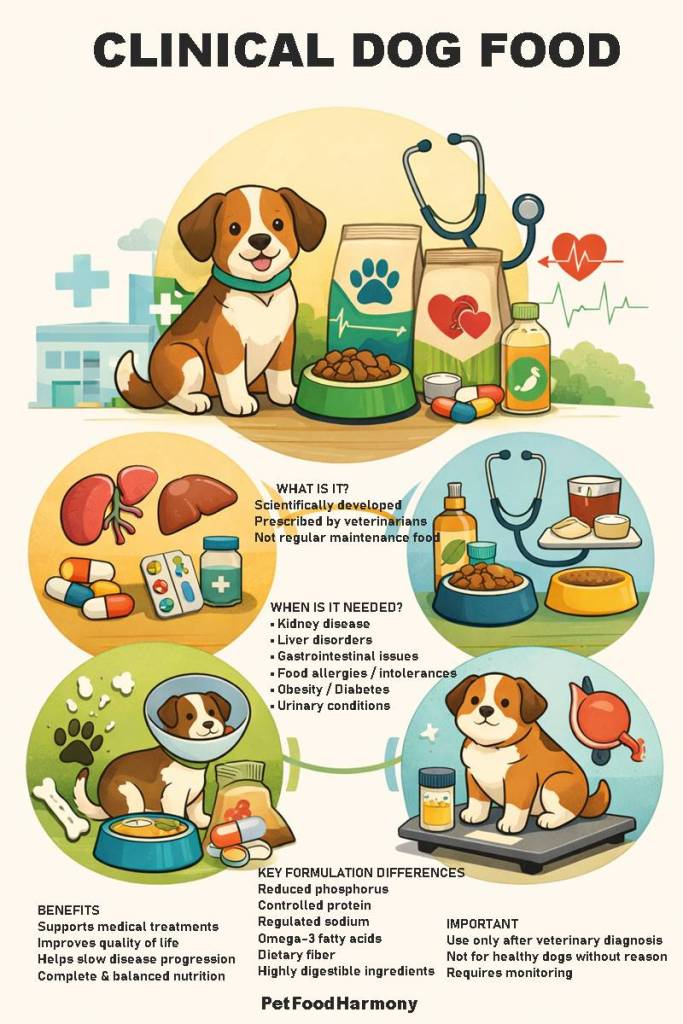
Clinical dog foods are complete and balanced diets formulated based on scientific evidence to support a dog’s body when facing health challenges.
Their composition differs significantly from maintenance diets, as they contain adjusted levels of:
- Protein
- Fat
- Phosphorus & Sodium
- Fiber- Essential fatty acids (e.g., Omega-3)
- Targeted functional nutrients
When Does a Dog Need Clinical Food?
They should be used only after veterinary diagnosis and recommendation. Some of the most common cases include:
- Kidney Disease
Formulas with reduced phosphorus and controlled protein help decrease kidney workload. - Liver Disorders
Contain high biological value proteins and nutrients that support liver function. - Gastrointestinal Conditions
Highly digestible diets with prebiotics and low fat, ideal for sensitive digestive systems. - Food Allergies / Intolerances
Hydrolyzed proteins or novel protein sources help minimize allergic reactions. - Obesity & Diabetes
Calorie-controlled diets enriched with fiber for satiety and glycemic regulation. - Urinary Tract Issues
Formulas designed to regulate urine pH and reduce crystal formation.

Key Benefits
Support medical treatment protocols Improve quality of life Help slow disease progression Provide complete, balanced nutrition (no extra supplements unless prescribed)
Are There Any Disadvantages?
Yes — and they’re important to consider:
- Not suitable for healthy dogs without medical reason
- Misuse may burden the body
- Some have lower palatability
- Usually more expensive than maintenance diets
How to Choose the Right Clinical Diet
- Veterinary diagnosis — never choose preventively on your own Review lab tests (bloodwork, urinalysis)
- Consider age & body weight
- Monitor response (weight, appetite, clinical signs)
- Gradual transition to avoid digestive upset
Short-Term or Lifelong Use?
It depends on the condition:
- Temporary illnesses (e.g., gastroenteritis) → short-term feeding
- Chronic diseases (e.g., kidney disease) → long-term or lifelong feeding
- Regular veterinary re-evaluation is essential.
Clinical diets are not a marketing trend — they are a core part of therapeutic care.
When used appropriately, they can make a profound difference in a dog’s health, longevity, and overall wellbeing.
Nutrition is care — and in clinical cases, it becomes therapy.

Θα χαρώ να διαβάσω τα σχόλιά σας