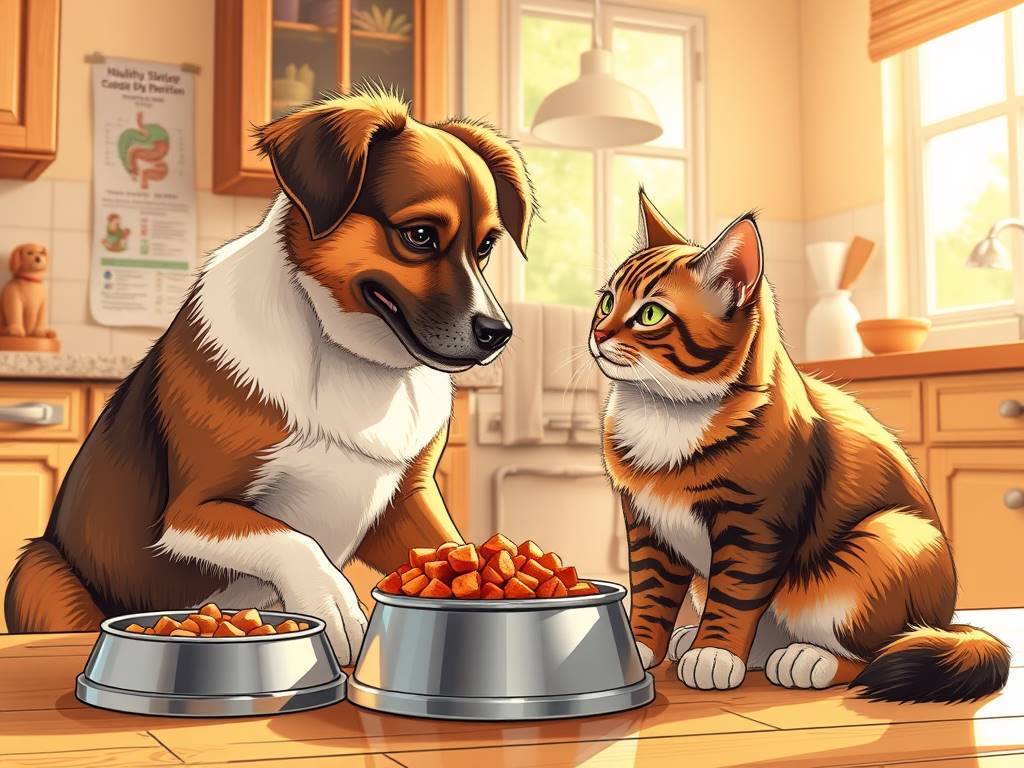
Digestive health is one of the most important indicators of your dog’s or cat’s overall well-being. The consistency, frequency, and even the odor of their stool can provide valuable insight into what’s happening inside their body.
Two of the most common digestive disturbances pets experience are diarrhea and constipation — opposite conditions that often share similar root causes, especially diet and gut function.
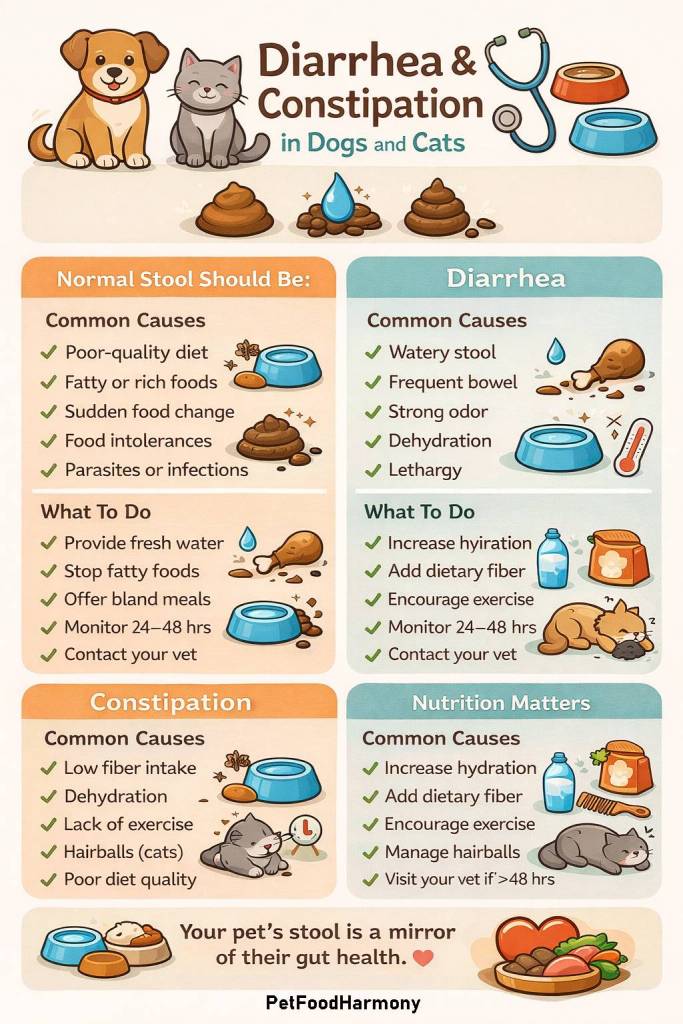
What Normal Stool Should Look Like
Healthy pet stool should be:
- Firm but slightly soft
- Easy to pass without pain or straining
- Neither watery nor overly hard
- Mild in odor — not extremely foul
Any deviation from these characteristics may indicate an imbalance in the digestive system.
Diarrhea: Possible Causes
Diarrhea appears as loose or watery stool and may occur suddenly or persist over time.
Common causes include:
- Poor-quality or inappropriate diet
Low-grade ingredients or nutritionally imbalanced food can disrupt gut health. - Rich or fatty meals
Heavy foods can be difficult to digest, especially for pets with sensitive stomachs. - Food intolerances or allergies
Some pets cannot tolerate certain proteins or ingredients. - Sudden food transition
Abrupt diet changes disturb the intestinal microbiome. - Parasites or infections
More common in puppies and kittens but possible at any age.
What Happens in the Body
When the intestines fail to properly absorb nutrients and fluids, stool becomes loose. Beyond discomfort, prolonged diarrhea can lead to dehydration and nutrient loss.
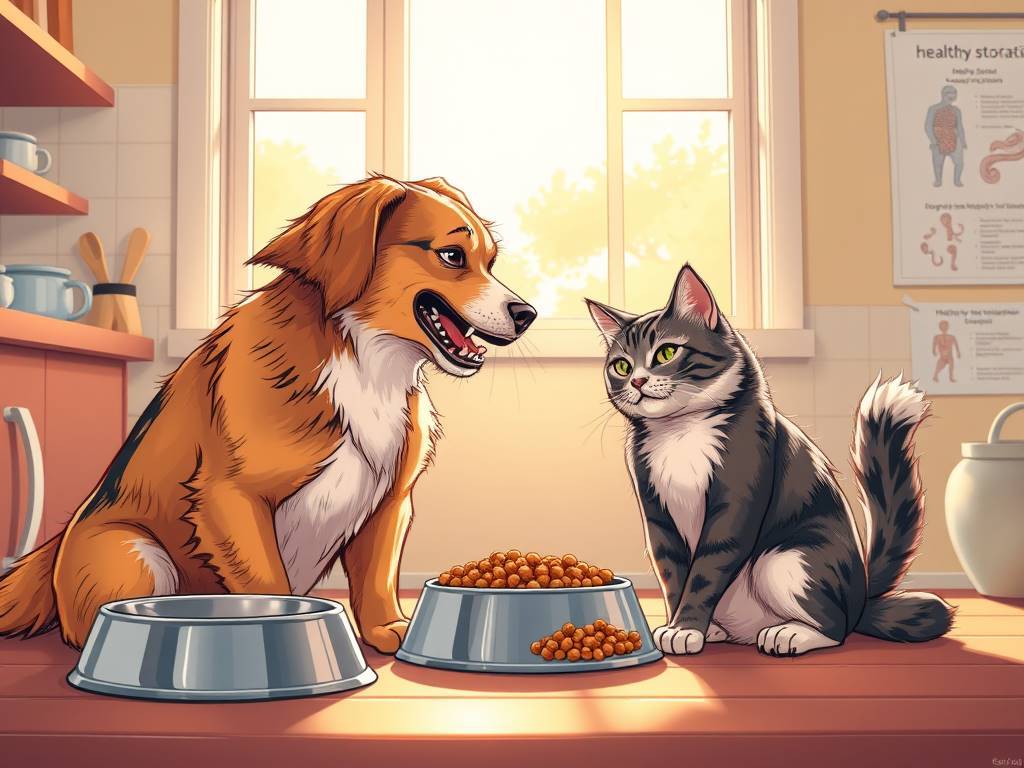
Constipation: The Opposite Issue
Constipation occurs when stool becomes dry, hard, and difficult to pass.
Main causes:
- Lack of dietary fiber
Fiber supports bowel movement and stool formation. - Dehydration
Insufficient water intake leads to dry feces. - Low physical activity
Especially relevant for dogs. - Hairballs in cats
Ingested hair can obstruct normal stool passage.
Possible Complications
Constipation is more than discomfort. It may cause:
- Intense straining
- Minor bleeding
- Intestinal inflammation
- Abdominal bloating
- Urinary pressure or accidents
Severe cases may require veterinary intervention.
What Pet Parents Should Do Immediately
If your pet has diarrhea:
- Ensure constant access to fresh water
- Pause rich or fatty foods
- Offer bland, easily digestible meals
- Monitor for vomiting or lethargy
- Contact your vet if it lasts over 24–48 hours
If your pet is constipated:
- Increase hydration
- Add fiber to the diet
- Encourage exercise (dogs)
- Manage hairballs (cats)
- Seek veterinary advice if no bowel movement occurs for 48 hours
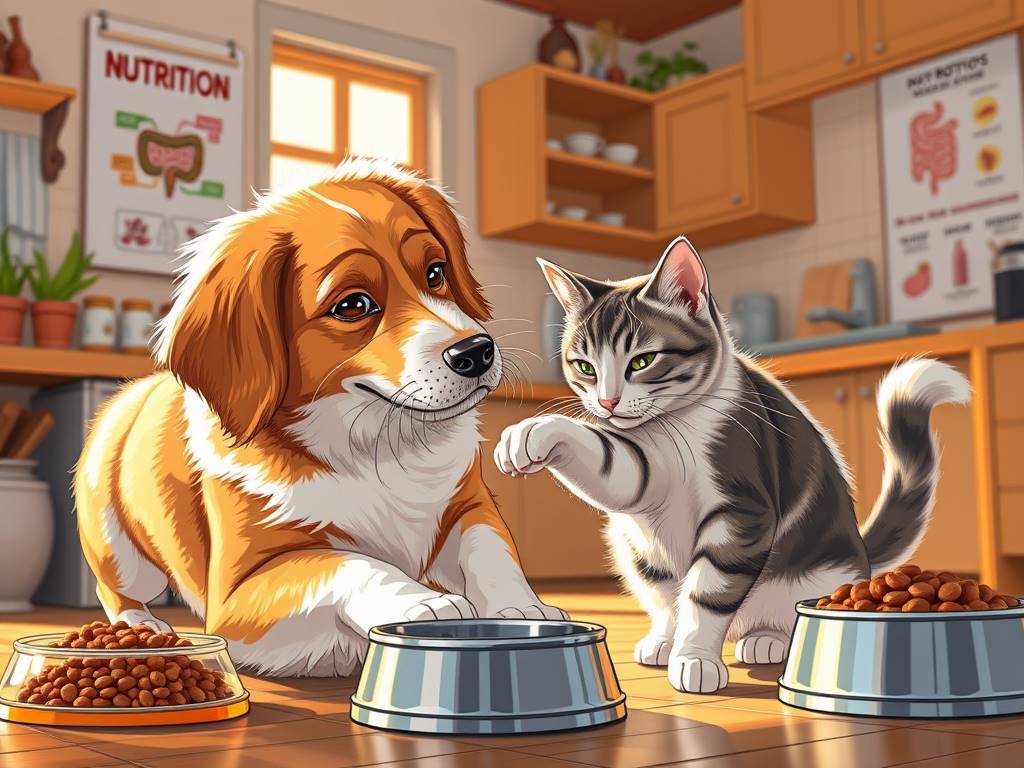
The Role of Proper Nutrition
Balanced nutrition is key to digestive health:
- High-quality proteins
- Adequate fiber
- Proper fat levels
- High digestibility
Poor dietary choices can disrupt both digestion and elimination systems.
Diarrhea and constipation are common but should never be ignored. Monitoring your pet’s stool is one of the simplest yet most powerful ways to assess their health.
With proper nutrition, hydration, and timely care, most digestive issues can be prevented — ensuring a happier, healthier life for your furry companion.
FAQ (Frequently Asked Questions)
- When is diarrhea dangerous in dogs or cats?
If it lasts more than 24–48 hours or includes blood, vomiting, lethargy, or loss of appetite, veterinary care is necessary.
- Can changing food cause diarrhea?
Yes. Sudden dietary changes disrupt gut bacteria. Always transition food gradually over 5–7 days.
- What should I feed my pet during diarrhea?
Offer bland, easily digestible food and plenty of water. Avoid fatty meals. Contact your vet if symptoms persist.
- How long without pooping is considered constipation?
More than 48 hours without a bowel movement is concerning for both dogs and cats.
- Does fiber help constipation?
Yes. Fiber supports intestinal motility and softens stool, making elimination easier.
- Can poor diet cause both diarrhea and constipation?
Absolutely. Imbalanced nutrition, low fiber, or overly rich foods can lead to either condition.

Θα χαρώ να διαβάσω τα σχόλιά σας