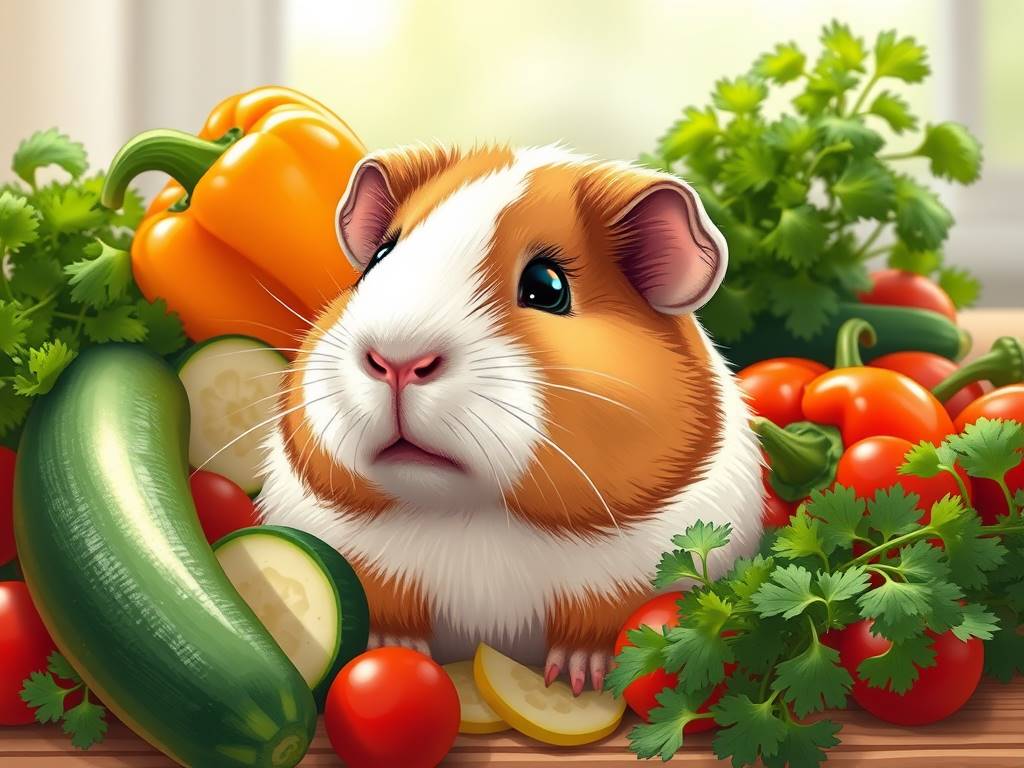
Ιf you have a guinea pig or you’re thinking about getting one, this guide is just for you.
These little creatures make wonderful companions, but they also have very specific nutritional needs. Unfortunately, many everyday feeding mistakes can seriously affect their health.
Let’s walk through the most common dietary mistakes in guinea pigs — and how to avoid them.
- Too Many Fruits and Treats
Fruits are sweet, tasty, and… risky when overfed.
Guinea pigs love sugar, but their bodies are not designed to handle excess.
What can happen:
- Obesity
- Diabetes
- Digestive issues
What to do:
Offer fruits only 1–2 times per week, in small portions (e.g., a small slice of apple or strawberry).
- Vitamin C Deficiency
This is one of the most critical nutritional issues.
Guinea pigs cannot produce vitamin C on their own, just like humans.
Without it, they are at risk of scurvy.
Symptoms of deficiency:
- Weakness
- Swollen joints
- Loss of appetite
What to do:
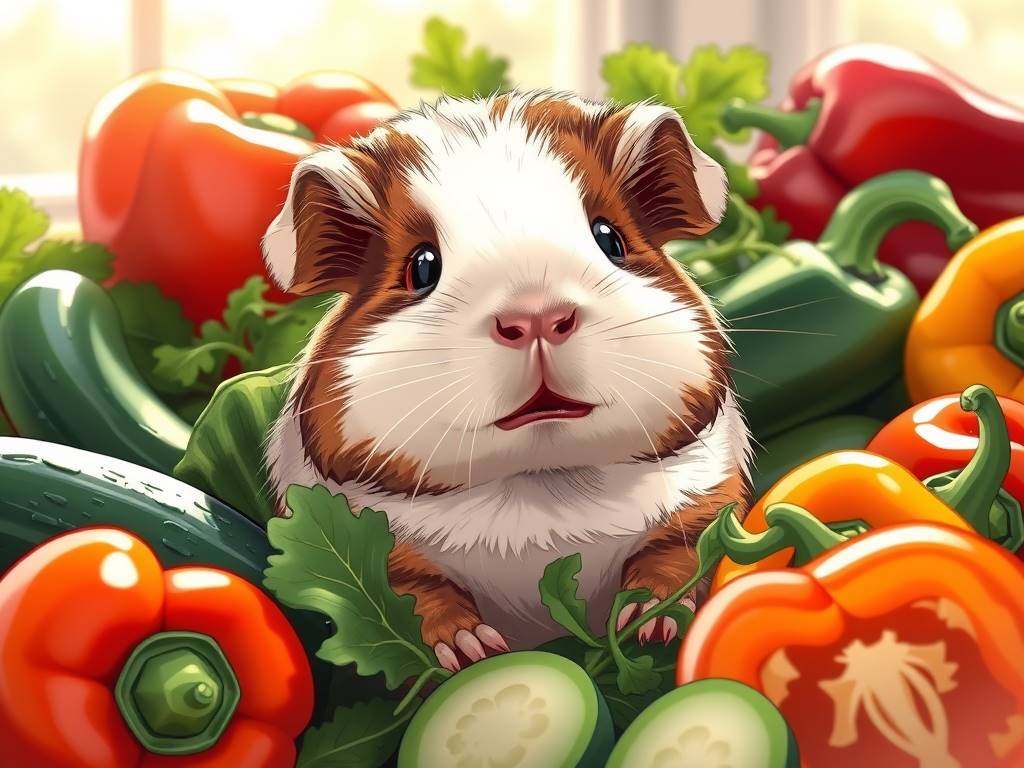
- Provide daily foods rich in vitamin C (bell peppers, parsley, broccoli leaves)
- Choose pellets fortified with vitamin C
- Avoid adding vitamin C to water (it loses potency quickly)
3. Incorrect Ratio of Hay – Pellets – Vegetables
Balance is everything.
Many owners provide too little hay and too many pellets — a common mistake!
The correct ratio:
- 70–80% hay (the foundation of the diet)
- 10–15% fresh vegetables
- 5% high-quality pellets
Why is hay so important?
- Helps wear down teeth properly
- Supports healthy digestion
- Prevents gut issues
Tip: Hay should always be available, fresh, and clean.
- Choosing the Wrong Vegetables
Not all vegetables are suitable for daily feeding.
Avoid:
- Iceberg lettuce (low nutrients, high water content)
- Potatoes
- Onions
Prefer:
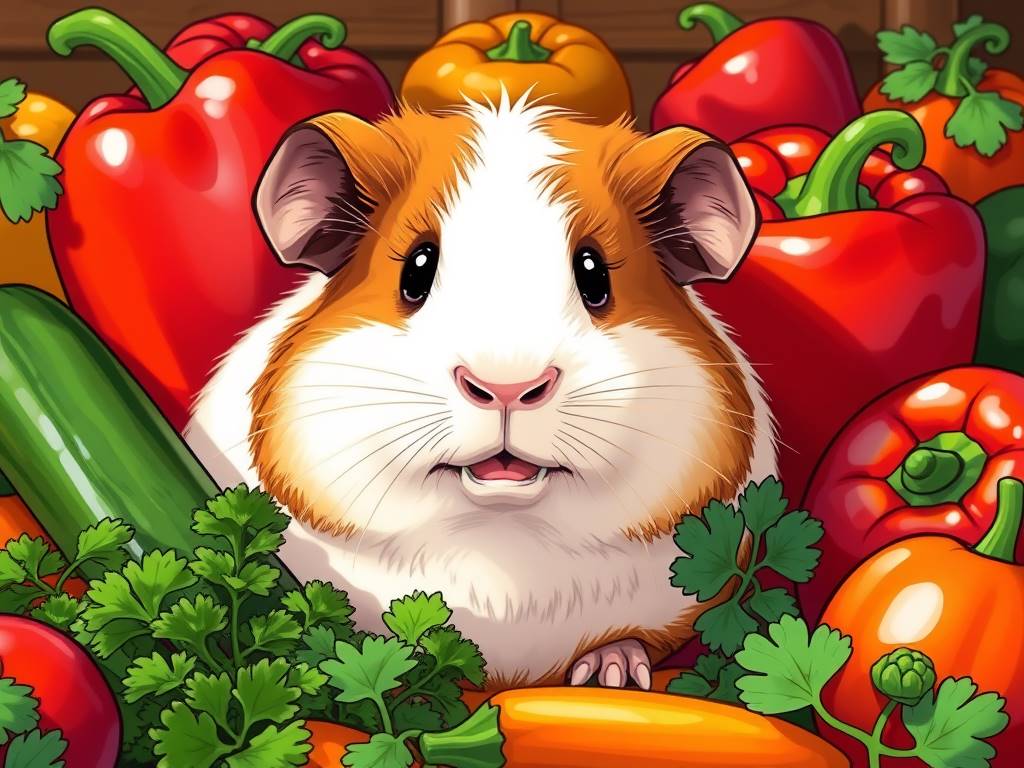
- Bell peppers
- Cucumber
- Zucchini
- Arugula
5. Neglecting Fresh Water
It may seem obvious, but it’s often overlooked.
Water should be changed daily.
Use a clean bottle and make sure it functions properly.
A Gentle Reminder
Proper nutrition is not a luxury — it’s an act of love.
With a little care, you can give your guinea pig a life full of health, energy, and happy little “wheeks”.
Frequently Asked Questions (FAQ)
- How much hay should a guinea pig eat daily?
Hay should make up 70–80% of the diet and be available at all times.
- Can I give fruit every day?
No. Fruits should be given only 1–2 times per week due to their high sugar content.
- What is the best source of vitamin C?
Fresh vegetables like bell peppers and broccoli are excellent sources.
- Are pellets necessary?
Yes, but only in small amounts and always high-quality, vitamin C–fortified.
- What happens if a guinea pig doesn’t get enough vitamin C?
It can develop serious health issues such as scurvy, which can be life-threatening.

Θα χαρώ να διαβάσω τα σχόλιά σας