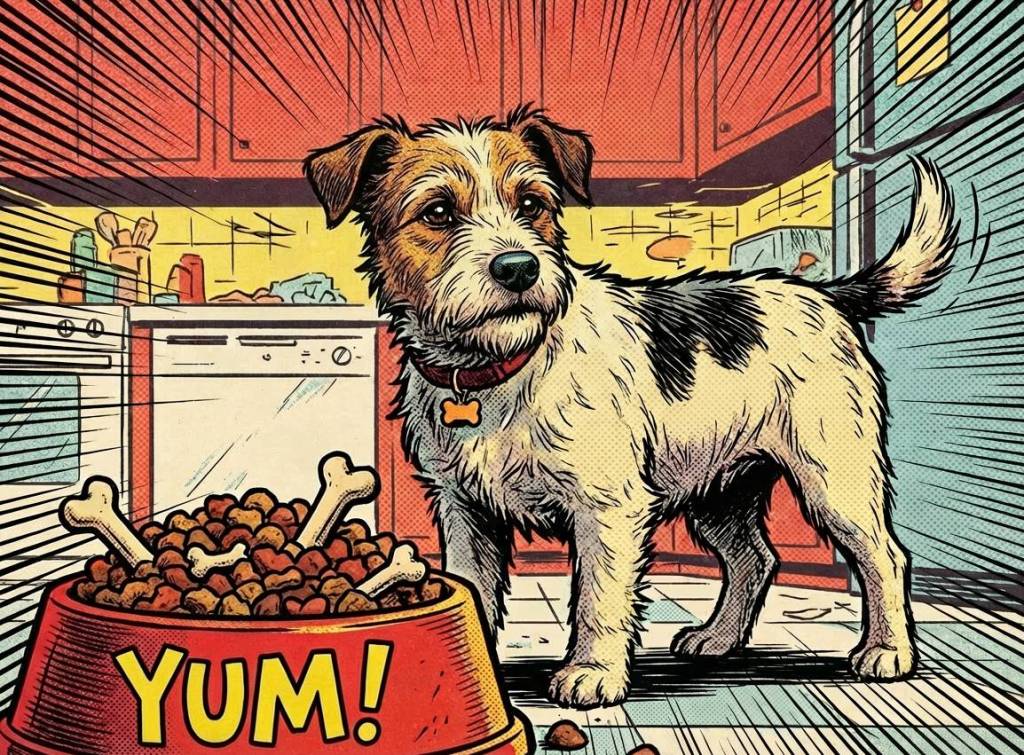
If your dog is not eating, it’s completely natural to feel worried. A reduced appetite or complete refusal to eat can be caused by many different factors — from simple daily habits to issues that may require closer attention.
Understanding why your dog is not eating is the first step in addressing the situation and restoring balance to their diet and overall well-being.
Your dog may not actually be hungry
One of the most common reasons a dog refuses food is simply because they’re not hungry. If your dog consumes a lot of treats throughout the day or is being overfed, it’s normal for them to lose interest in their regular meals.
Establishing a consistent feeding schedule and limiting snacks can help regulate their appetite.
Your dog may be bored with their food
Some dogs develop selective eating habits. If they’ve been eating the same food for a long time, they may lose interest and start refusing it.
In such cases, gradually transitioning to a new food or adjusting their diet can help renew their interest.
Possible health issues
Loss of appetite in dogs can sometimes be linked to underlying health problems. Dental pain, gastrointestinal issues, or infections may all affect a dog’s willingness to eat.
If your dog hasn’t eaten for more than 24–48 hours or shows additional symptoms, a visit to the veterinarian is essential.
Stress or environmental changes
Dogs are highly sensitive to changes in their environment. Moving to a new home, changes in routine, or the introduction of new people or pets can cause stress, which often impacts appetite.
Creating a calm, stable environment helps your dog feel secure and return to normal eating habits.
Learned picky behavior
If your dog is used to receiving different types of food or table scraps, they may begin rejecting their regular food in anticipation of something better.
Consistency in feeding habits and setting clear boundaries are key to preventing this behavior.
When should you worry?
A reduced appetite isn’t always a cause for concern, but there are situations where immediate attention is needed.
If your dog hasn’t eaten for more than two days, or shows symptoms like vomiting, diarrhea, lethargy, or weight loss, you should consult a veterinarian.
A dog not eating doesn’t always indicate a serious problem. In many cases, it’s related to routine, behavior, or minor lifestyle changes.
However, careful observation and timely action are essential to maintaining your dog’s health and well-being.
FAQ (Frequently Asked Questions)
- Why did my dog suddenly stop eating?
Sudden loss of appetite can be caused by stress, environmental changes, or an underlying health issue.
- How long can a dog go without eating?
A healthy dog may go 1–2 days without food, but this should not be ignored without investigation.
- What should I do if my dog refuses to eat?
Maintain a consistent feeding schedule, limit treats, and remove uneaten food after a set time.
- Is it normal for a dog not to eat every day?
In some cases yes, but if it happens frequently, it should be monitored.
- When should I take my dog to the vet?
If your dog refuses food for more than 48 hours or shows additional symptoms.

Θα χαρώ να διαβάσω τα σχόλιά σας