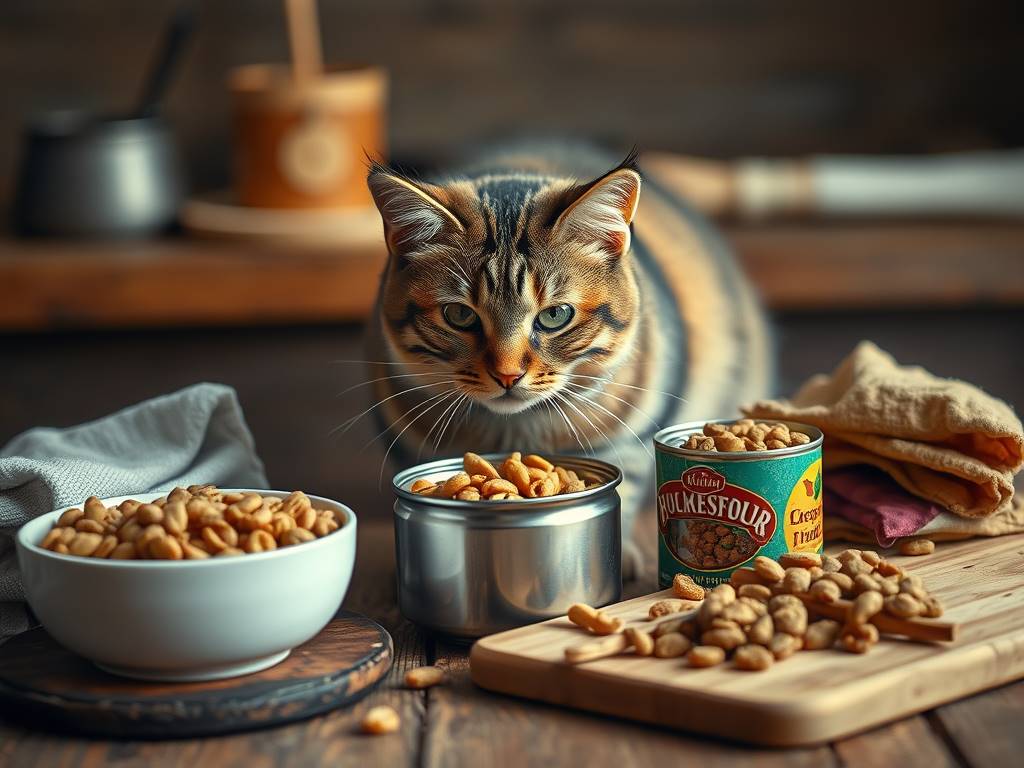
Before you grab another bag off the shelf, pause here.
Shopping for cat food today feels like walking through a minefield: marketing buzzwords, “grain free” claims, promises of shiny coats, brilliant cats, and recipes that sound better than your own lunch.
But what does “right food” actually mean?
If your cat could read the ingredients list, she might choose something very different from what you’re feeding her today.

There’s No “Best Food” – Only the Right Food for Your Cat
Each cat has unique needs. What suits an energetic kitten that climbs curtains doesn’t work for a calm, neutered cat who lounges by the window all day.
The right food isn’t about branding, price, or popularity. It’s about facts: age, weight, activity level, health status, even temperament.
The Basic Types of Cat Food
Dry food (kibble):
- Cooked, dehydrated, crunchy
- Convenient, affordable, long shelf life
- Low moisture, may contain fillers
Wet food (cans/pouches):
- Moist food with 70–80% water
- Hydrating, highly palatable
- Less economical, spoils quickly
Raw/home-cooked (BARF):
- Raw or lightly cooked meats
- Total control, species-appropriate
- Requires planning, hygiene risk
Veterinary/diet food:
- Formulated for medical issues
- Tailored to specific health needs
- Only under vet supervision
There’s no one-size-fits-all. Choosing the right one means knowing your cat’s profile.
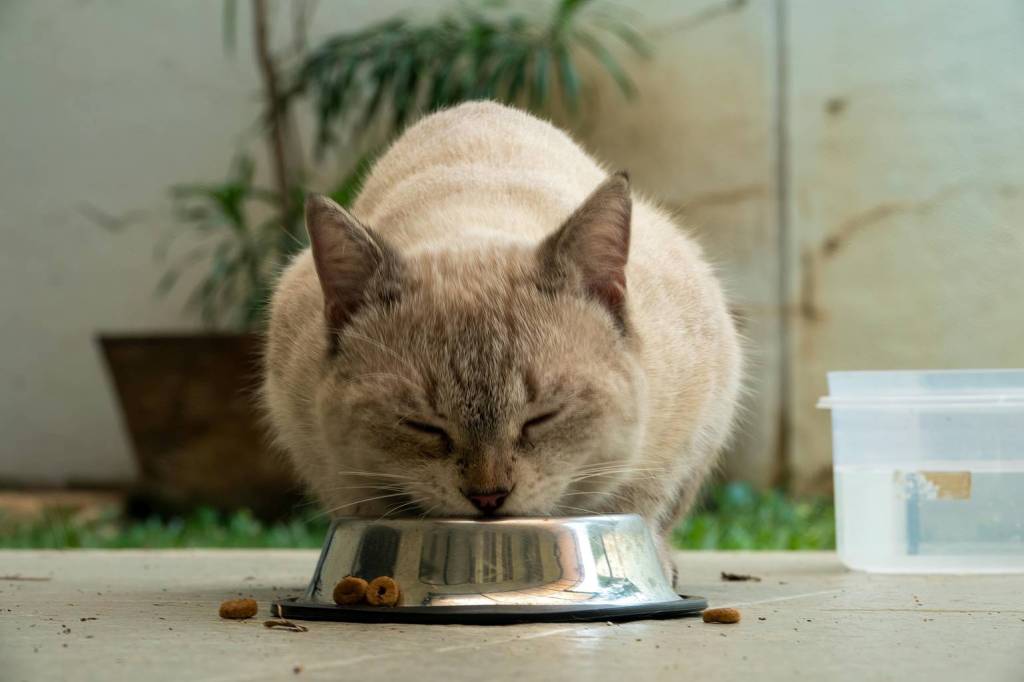
Common Mistakes When Choosing Cat Food – and How to Avoid Them
If you’re not ready to dig into ingredients and percentages just yet, start by avoiding these:
- Choosing Food by Smell or Taste (Your Cat’s)
Cats love strong-smelling foods – but that doesn’t mean the food is healthy.
Many low-quality products are enhanced with fats, gravies, or flavor additives to make them more appealing.
Better: Look at the first ingredient. It should be named animal protein, not vague by-products or grains.
- Switching Foods Frequently
“She gets bored easily, I change it every few weeks.”
Frequent changes can lead to digestive upset, food rejection, or excessive pickiness.
Better: Only switch when necessary – and always gradually, over 5–7 days.
- Free-feeding All Day
Leaving the bowl full all day often leads to obesity, especially in sterilized or indoor cats with low activity levels.
Better: Offer 2–3 measured meals per day. Use a scoop – not your instincts.
- Feeding Table Scraps “Because She Likes It”
Chicken, tuna, or yogurt may taste great, but don’t meet your cat’s full nutritional needs.
They may lack key amino acids like taurine – or worse, contain toxic ingredients (onions, sauces).
Better: If you give human food, keep it rare, plain, and safe.
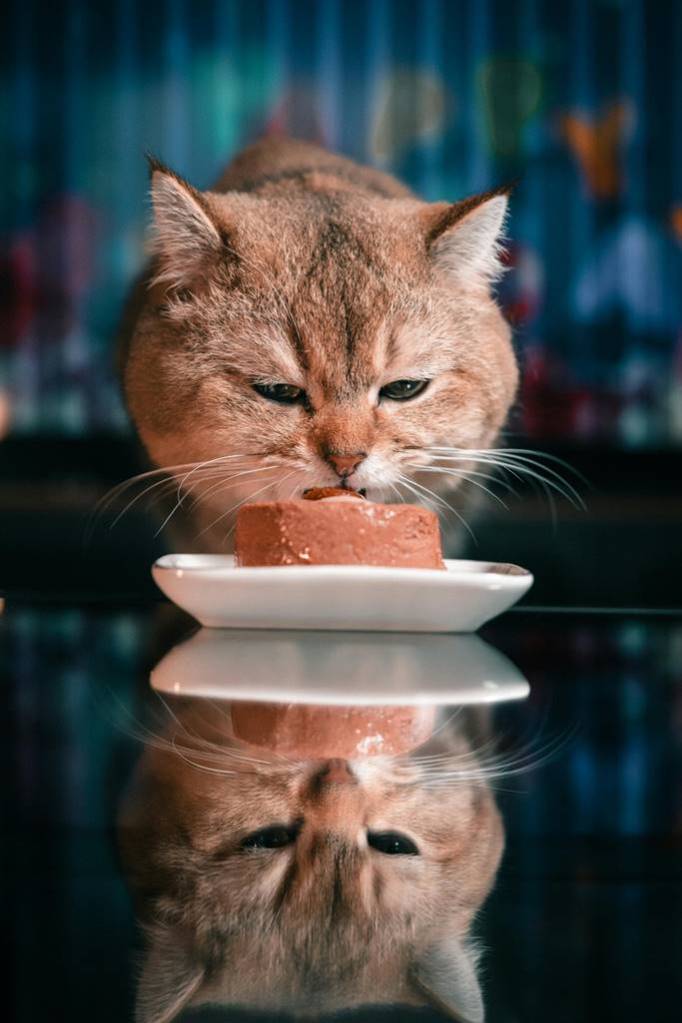
Extra Tips for Daily Practice
- Combine dry and wet food: balance hydration and dental care
- Weigh your cat once a month – even with a bathroom scale
- If she drinks little, consider a pet fountain – cats love running water
- Check the litter box and coat regularly – they reveal if the food is working
- Avoid guilt-feeding: Cats don’t need “variety”. They need consistency and quality.
What to Ask Your Vet
Don’t settle for generic recommendations. Ask questions tailored to your own cat:
- What is her ideal weight?
- Does she need a special diet (e.g. for urinary health, allergies, age)?
- Is her current food complete, or does she need supplements?
- Could recent symptoms be diet-related?
- What changes should I expect if I switch foods?
Choosing your cat’s food isn’t a supermarket decision. It’s part of her overall care – just like fresh water, playtime, clean litter, and vet visits.
Food isn’t just a meal. It’s daily prevention, vitality, and for an animal that depends entirely on you – it’s a form of care.


Αφήστε απάντηση στον/στην Responsible Pet Nutrition: Everything Every Pet Parent Needs to Know – PetFoodHarmony Ακύρωση απάντησης