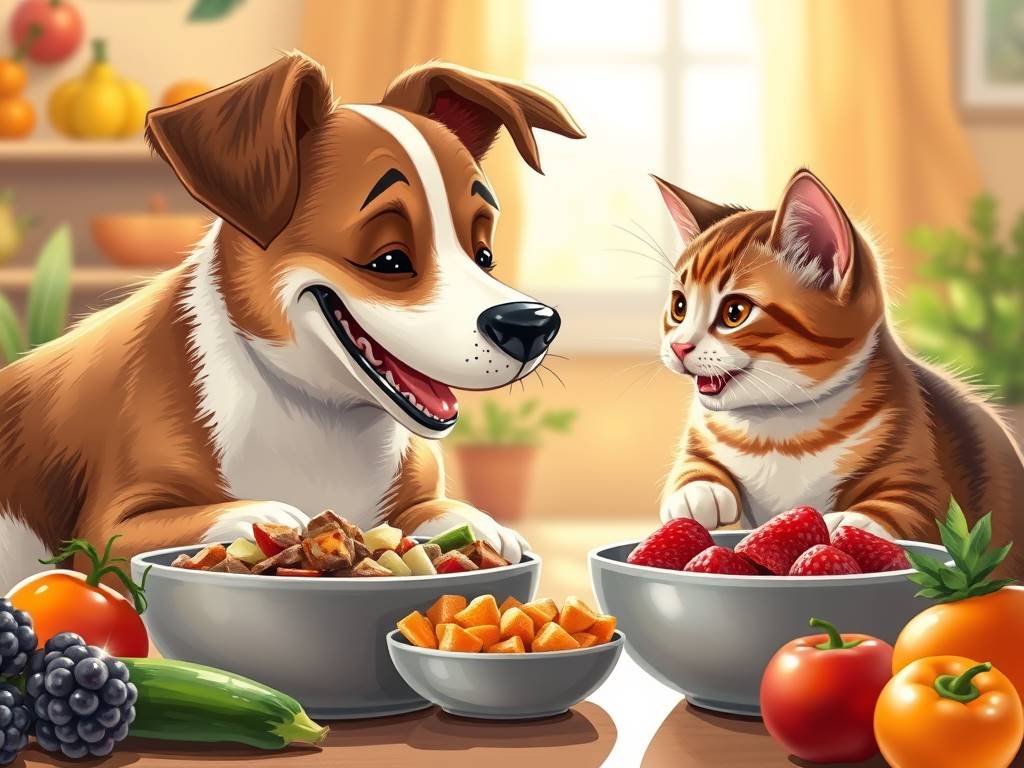
Our relationship with companion animals is unique. They offer us unconditional love, joy, and loyalty – and in return, we are responsible for their well-being.
One of the most crucial aspects of pet care is nutrition. Nutrition is not simply “filling the bowl.”
It is an act of responsibility that shapes the pet’s health, mood, and longevity.
World Animal Day, celebrated on October 4th, reminds us that love for animals goes beyond affection; it is expressed through conscious, everyday choices.
In this article, we’ll explore:
- why nutrition is first and foremost a matter of responsibility,
- common feeding mistakes pet parents make,
- how to build a healthy and balanced diet,
- special nutritional needs,
- and finally, how we can become truly responsible pet parents.
Why Nutrition Is a Matter of Responsibility
Your pet relies 100% on you for its meals. It cannot choose – you decide what goes in the bowl. That alone makes nutrition one of the most direct responsibilities of a pet parent.
Proper nutrition:
- contributes to longevity and quality of life,
- supports the immune system,
- helps maintain a healthy weight,
- reduces the risk of chronic diseases,
- improves energy levels and mood.
Neglect, on the other hand, can lead to obesity, diabetes, cardiovascular disease, allergies, and digestive issues.
Nutrition is more than food – it is a matter of life and care.

Common Mistakes in Pet Nutrition
Even the most well-meaning pet parents can fall into traps. Some frequent mistakes include:
- Feeding table scraps
Human food often contains salt, spices, or ingredients that are harmful to pets.
- Too many treats
A biscuit today, a piece of cheese tomorrow… suddenly the pet is overweight without us realizing it.
- Toxic foods
Chocolate, onion, garlic, grapes, nuts, alcohol – even small amounts can be dangerous.
- Ignoring special needs
A puppy doesn’t eat like a senior dog, and a cat with allergies doesn’t have the same needs as a healthy cat.
These mistakes may seem small but can have serious consequences. That’s where responsibility truly matters.
Building a Balanced Diet
A healthy diet doesn’t have to be complicated if approached responsibly.
- Quality food: Choose products designed for your pet’s species, age, and needs.
- Nutritional balance: Pets need proteins, healthy fats, carbohydrates, vitamins, and minerals.
- Fresh water: Always available, always clean.
- Right portions & frequency: Meals depend on weight, age, and activity level.
- Stability: Sudden changes can upset digestion – transitions should be gradual.
Veterinarians play a vital role in clinical cases (chronic diseases, serious health conditions). For all other nutritional needs, an experienced pet nutritionist is the go-to professional for guidance.
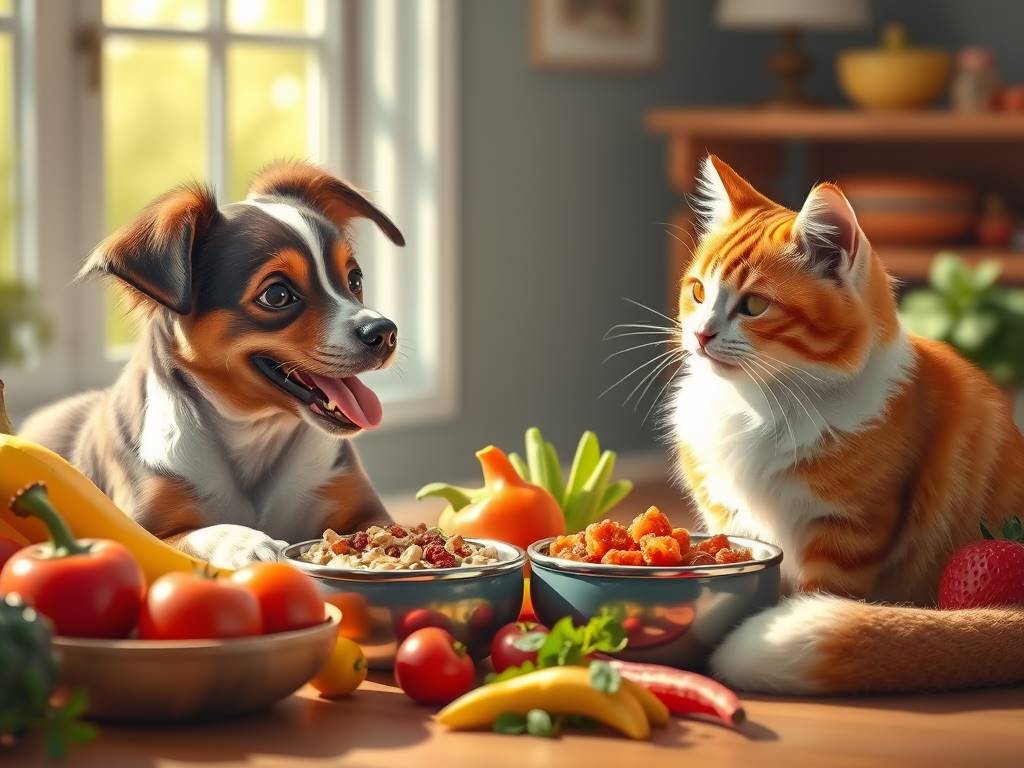
Special Cases and Needs
There’s no “one diet fits all” in pet nutrition.
- Puppies & kittens: Require higher protein and calorie intake.
- Senior pets: Need lighter meals that support joint and heart health.
- Pets with allergies or chronic conditions: Require specially tailored diets.
- Active or working animals: Higher calorie and protein requirements.
Adapting nutrition to your pet’s needs is one of the clearest signs of true care.
Our Role as Pet Parents
Nutrition isn’t a technical detail – it’s a daily expression of love and responsibility.
Remember:
- giving chocolate is not love,
- letting them eat whatever they find is not care,
- improvising without knowledge is not responsibility.
Real love is shown through attention, consistency, and informed choices.
Proper nutrition is one of the most powerful ways to ensure your pet’s well-being. It’s not a luxury – it’s a necessity, and above all, a sign of responsibility.
And don’t forget to check out the other articles on Petfoodharmony for more inspiration and useful advice.
FAQ – Frequently Asked Questions
- Which foods are toxic for dogs and cats?
Chocolate, onion, garlic, grapes, raisins, nuts, coffee, alcohol. Even small amounts can cause harm.
- Can I feed my pet homemade food?
Yes, but only if the diet is properly designed. Random leftovers do not meet nutritional needs and can cause health issues.
- How often should my pet eat?
It depends on age and species. Puppies and kittens need multiple meals a day, while adults usually eat 1–2 meals.
- Does my pet need supplements?
Only if there’s a real need and always under the guidance of a professional. Over-supplementation can be harmful.
- How can I tell if the food I give is good quality?
Signs of a good diet include shiny coat, stable energy, healthy weight, and overall good mood. Labels should clearly state ingredients and be species/age appropriate.


Αφήστε απάντηση στον/στην pk 🌎 Ακύρωση απάντησης